Task and workflow agents
Agents that take a defined request, gather what they need, and produce a result — a report, a ticket, a draft, a record update.
AI agent development
We build agents that read your documents, call your systems and complete a defined business task — with permissions, logging and a human approval step where it matters.
Written scope and a fixed estimate within two business days. NDA on request.
Task received
“Summarise the 6 new support tickets”
Plan + tools
search · read · summarise
Sources retrieved
4 documents, cited
Draft produced
awaiting human approval
The starting point
Most agent projects fail on scope, not on the model. We start by writing down what “done” looks like, which systems are in bounds, and who signs off before the agent acts.
The request, the documents and the records the agent is allowed to use.
The tool calls and reasoning steps it may take, and the ones it may not.
What a correct result looks like, how it is checked, and what happens when it fails.
What we build
Each of these is a defined deliverable with a scope, a test set and an owner — not an open-ended “add AI” engagement.
Agents that take a defined request, gather what they need, and produce a result — a report, a ticket, a draft, a record update.
Agents that search approved sources, read documents, and turn the findings into a short, cited summary your team can act on.
Question answering over your own documents, with the source passages returned alongside the answer so people can verify it.
Agents that call your APIs, look up a record, create a document, or hand a task to another system — under explicit permissions.
An assistant embedded in the tool your team already uses, trained on your process instead of the open internet.
A test set, a pass rate, and logs for every run, so you can tell whether the agent got better or worse after a change.
Delivery
You see the task definition, the tool list, the test results and the logs. Nothing about the agent's behaviour is hidden from your team.
We pick a single task with clear inputs and a checkable output. No "do everything" briefs.
Which tools the agent may call, what it must not touch, and where a person approves the result.
Agent logic, retrieval, API connections, permissions and the interface your team actually uses.
A named test set, a measured pass rate, then a small rollout with logs and cost limits in place.
Guardrails
Stack
Model choice follows the task, the data residency you need and the cost per run. We are not tied to one provider.
Proof
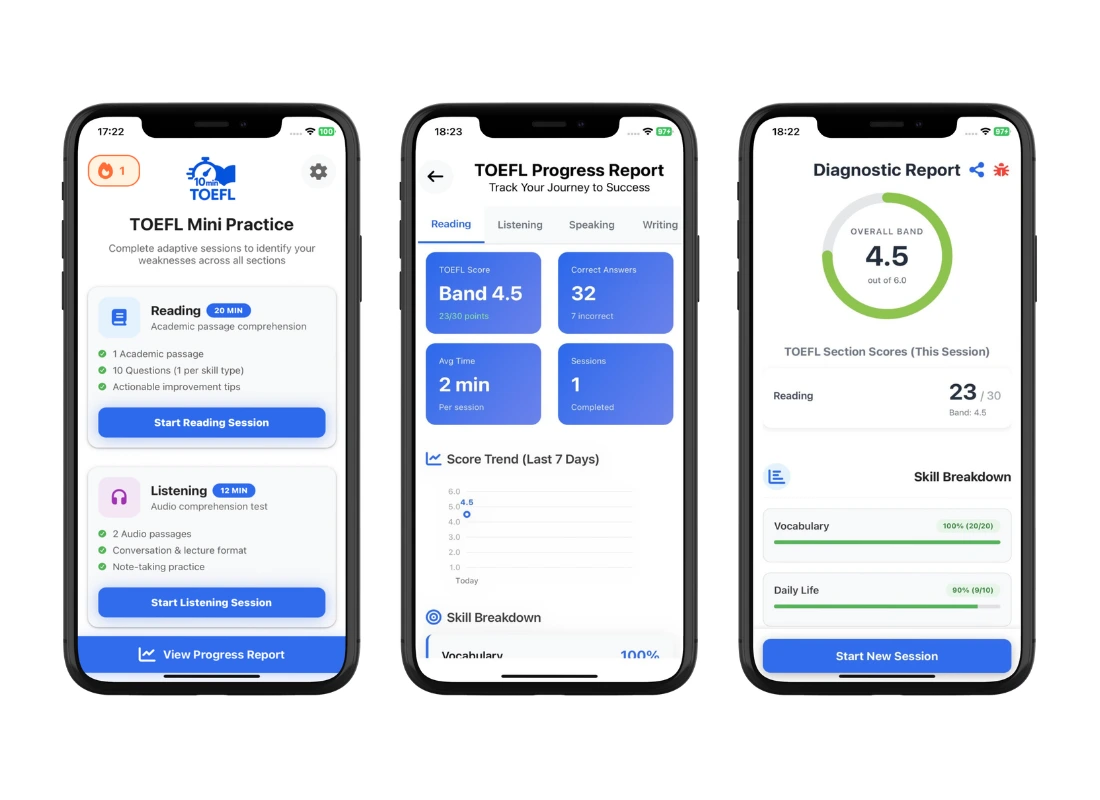
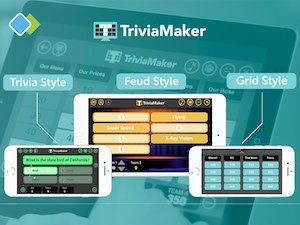
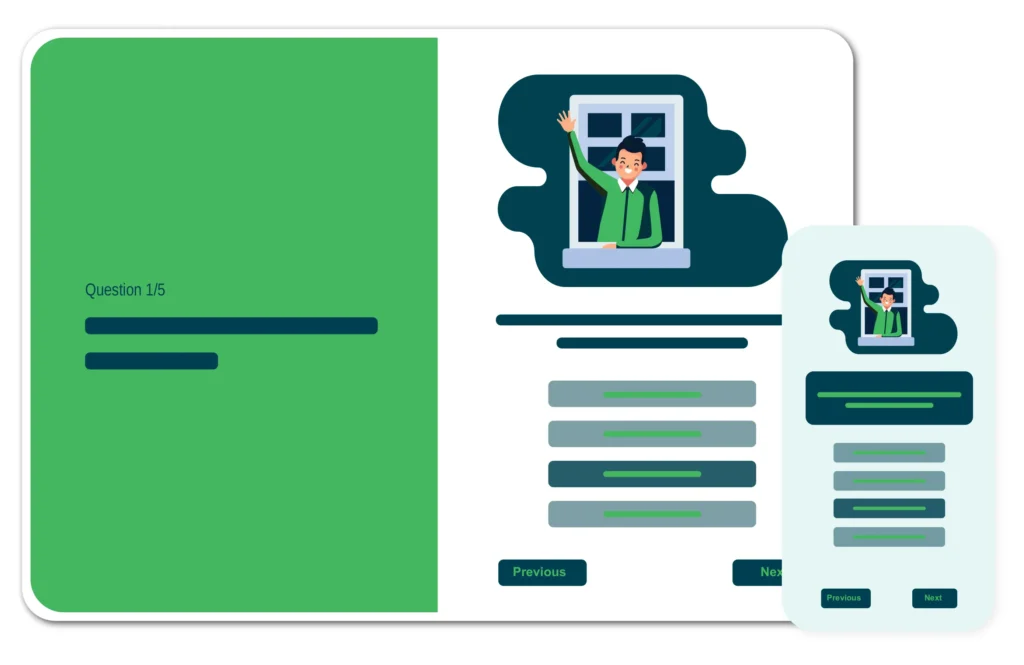
These are live products, not concept decks. Open them, install them, and judge the delivery quality yourself.
FAQ
A chatbot answers a question. An agent is given a task, decides which steps to take, uses connected tools or data, and produces a result you can check. If your requirement is conversational support rather than task completion, AI chatbot development is the closer starting point.
Pick a task that is repetitive, has a clear definition of done, and currently costs a person real time. Good first candidates are document summarisation, first-pass triage, record lookups and draft generation. Tasks with unclear success criteria or irreversible consequences are poor first projects.
Yes, provided those systems expose an API or a database you are willing to give scoped access to. We connect agents through service accounts with the narrowest permissions that still complete the task.
We constrain the agent to retrieved sources and connected tools, return citations with answers, add a "not found" path instead of a guess, and score responses against a test set before launch. No approach removes the risk entirely, so the review step covers anything that matters.
Running cost depends on model choice, task volume and how much context each run needs. We measure the per-run token cost during the build and set ceilings, so you see the unit economics before a wider rollout.
Request a quote
Describe the task, the inputs and what a correct answer looks like. We will come back with a scoped build, the risks we see, and a fixed estimate.
No obligation. We will tell you if we are not the right team for the job.
Tell us the goal, platforms and must-have features.
We reply within two business days with scope, approach and a fixed estimate.
Sign an NDA first if you prefer — nothing about your idea is public.