0 → first paying users
MVP
The smallest product that proves the core job. One plan, manual onboarding if needed, no billing portal until someone actually pays.
SaaS development
We design and build subscription software — tenancy, billing, roles and onboarding included — in stages, so each release has a commercial reason to exist.
Written scope and a fixed estimate within two business days. NDA on request.
Product stages
MVP0 → first paying users
The smallest product that proves the core job. One plan, manual onboarding if needed, no billing portal until someone actually pays.
ProductFirst customers → repeatable sales
Self-serve accounts, subscription billing, roles, and the reporting customers ask for in every sales call.
ScaleGrowth → operating cost pressure
Tenancy isolation, background jobs, usage metering and the observability that keeps support load down as accounts multiply.
Three stages
Scope creep is the normal failure mode of SaaS builds. Naming the stage keeps the release honest.
0 → first paying users
The smallest product that proves the core job. One plan, manual onboarding if needed, no billing portal until someone actually pays.
First customers → repeatable sales
Self-serve accounts, subscription billing, roles, and the reporting customers ask for in every sales call.
Growth → operating cost pressure
Tenancy isolation, background jobs, usage metering and the observability that keeps support load down as accounts multiply.
Commercial readiness
| Consideration | Prototype | Sellable product |
|---|---|---|
| Plans and billing | Invoiced by hand | Stripe subscriptions, proration, dunning |
| Onboarding | A call with the founder | Self-serve with an invite flow |
| Access control | Everyone is an admin | Roles, invitations, audit trail |
| Tenant data | Shared tables, filtered in code | Explicit tenancy with enforced scoping |
| Support load | Grows with accounts | Usage visibility and self-serve settings |
Multi-tenancy
Engagement
Discovery, design and delivery of a first release — with a cut line agreed up front so the launch date is real.
Billing, roles, reporting or an API added to a product that already has users and cannot pause for a rewrite.
A codebase that shipped fast and now hurts: security gaps, test coverage, tenancy bugs and a deploy nobody trusts.
Delivery
The customer, the job they hire the product for, the plan structure and the one workflow that must be excellent.
Tenancy model, data shape, auth and billing decided early — these are the choices that are expensive to reverse.
The primary workflow end to end, with real accounts and real billing in a test environment.
Access checks, rate limits, backups and the admin tooling support will need on day one.
Onboard a small cohort, watch where they get stuck, then fix that before adding surface area.
Stack
Proof
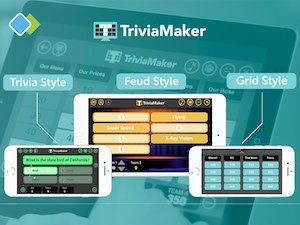
SurveySlack runs multi-tenant surveys with roles and billing. TriviaMaker turned a free quiz builder into a $25K MRR product reported by the client — read the full case study.
FAQ
A focused MVP is typically 8 to 14 weeks. “Sellable” usually depends less on features than on billing, onboarding and account management being complete enough that a customer can pay without a call with you. We scope those explicitly.
Yes, the tenancy model should be decided on day one even if the first customers are few. Retrofitting tenancy into a product with live data is one of the most expensive changes a SaaS team can make.
Yes. We start with an audit of the tenancy, auth, billing and test coverage, then give you a ranked list of risks with effort estimates before committing to a build plan.
Yes — Stripe subscriptions, plans, proration, trials, dunning and webhooks. Billing is treated as part of the product, not an integration bolted on at the end.
You do. Repositories, cloud accounts and third-party billing accounts are created in your name with us as collaborators, so there is no dependency on us to keep operating.
Request a quote
Describe the customer, the job your product does and how you plan to charge. We will scope the release that gets you to revenue, and say what can wait.
No obligation. We will tell you if we are not the right team for the job.
Tell us the goal, platforms and must-have features.
We reply within two business days with scope, approach and a fixed estimate.
Sign an NDA first if you prefer — nothing about your idea is public.