Product scoping
Feature set, platforms, integrations and the smallest first release that proves the product is worth building.
Mobile app development
We build iOS and Android apps — native where the platform matters, cross-platform where one codebase is the sensible trade. The decision is made on your product, not on a default stack.
Written scope and a fixed estimate within two business days. NDA on request.
Three paths
Each path has a different cost curve and a different maintenance story. We will recommend the cheaper one when it is the right one.
Swift · SwiftUI
One platform, done properly. The right call when iOS is the primary market or the product leans on Apple frameworks.
iOS app developmentKotlin · Jetpack
Full access to the platform, with device coverage and Play Store release handled as part of the build.
Android app developmentReact Native · Flutter
One codebase for both stores when the interface is largely shared and speed to market matters more than platform depth.
Flutter app developmentGPS · Dispatch · IoT
Real-time dispatching, driver tracking, and marketplace systems for on-demand delivery and mobile fueling platforms.
On-demand app developmentDecision
If your answer differs by screen, the product probably needs a hybrid approach — which is also a legitimate outcome.
| Consideration | Native (iOS + Android) | Cross-platform |
|---|---|---|
| Platforms needed | One | Both from day one |
| UI differences | Platform-native | Largely shared |
| Hardware / OS depth | Full access | Via plugins and native modules |
| Time to first release | Faster for a single store | Faster for two stores |
| Team to maintain it | One platform specialist | One shared codebase |
Capabilities
Feature set, platforms, integrations and the smallest first release that proves the product is worth building.
Screens and flows designed for touch, with the states that usually get skipped: empty, loading, error and offline.
APIs, authentication, payments, push and analytics connected and tested across platforms.
App Store and Play Console submissions, listings, screenshots and review responses for both platforms.
Device matrix testing on the paths that break in the field, not just the happy path on a simulator.
Crash triage, OS updates and the next feature increment, with a release rhythm you can plan around.
Process
Native or cross-platform, based on the product and the roadmap — not on what is quickest for us to start.
A feature list with a clear cut line, so the first version ships and the rest is planned rather than assumed.
Core flows first, then the surrounding screens, with weekly builds your team can install.
Both stores, current and one version back, on the device classes your audience actually uses.
Staged rollout, crash monitoring, then the next increment based on what the release data shows.
Launch
Proof
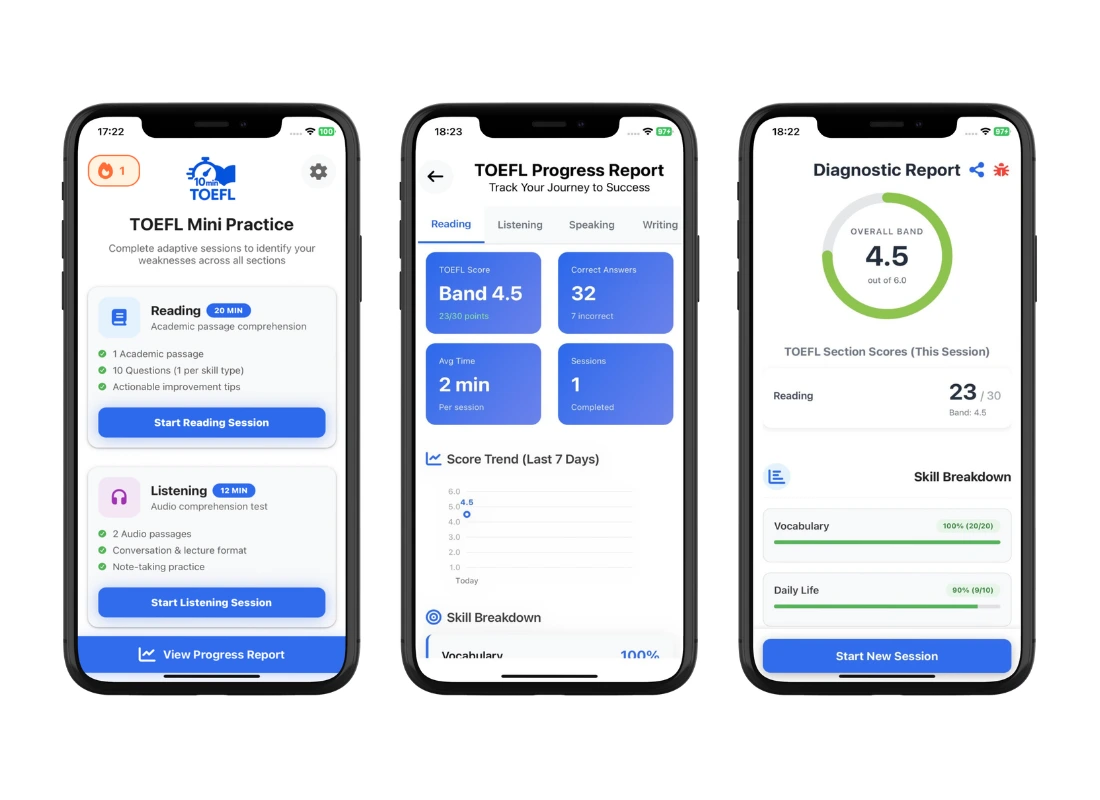
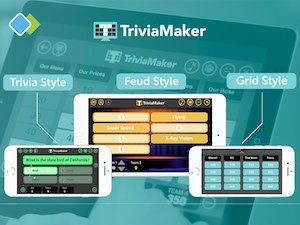
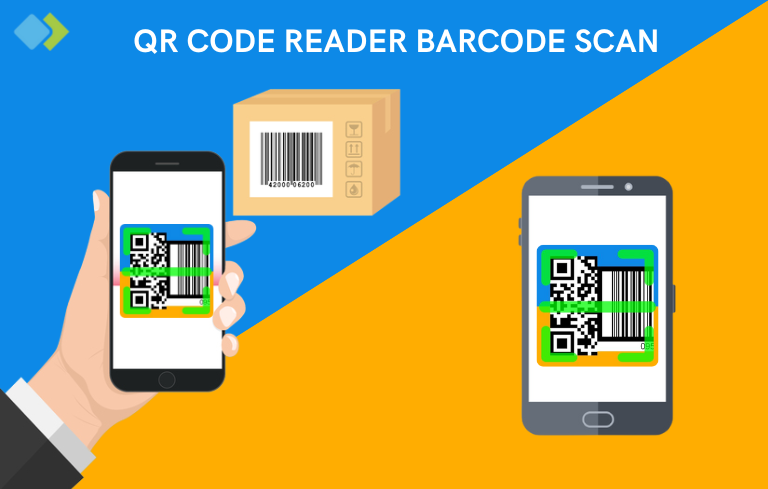
Consumer apps, games and utilities — installed hundreds of thousands of times between them.
FAQ
If the product is largely the same experience on both stores, one cross-platform codebase is usually the better economics. If the platform matters to the experience — camera, health data, widgets, offline work — native on each side earns its extra cost.
A focused first release is typically 8 to 14 weeks: scoping and design, then build, then store review. Adding a second platform or a complex backend extends that. We give a range with assumptions rather than a single optimistic number.
Yes. If you already have APIs, we build against them. If the API is incomplete or undocumented, that work has to be scoped too — it is usually the hidden cost in a mobile project.
You do. Store accounts, signing credentials and the source repository are in your name from the start. We work as a collaborator, not as the owner of your distribution.
Yes, on a monthly agreement covering OS updates, store compliance, crash triage and a small feature allowance. Maintenance is optional — the handover is complete either way.
Related
High-performance 60fps cross-platform mobile apps.
Real-time dispatch, driver tracking, and marketplace delivery.
Hazmat-compliant fleet routing, IoT meters, and tanker dispatch.
Native iPhone and iPad delivery.
Native Kotlin delivery and Play rollout.
Scale your engineering team with pre-vetted mobile developers.
Request a quote
Send your feature list and target platforms. We will tell you what belongs in version one, what can wait, and what it costs to ship.
No obligation. We will tell you if we are not the right team for the job.
Tell us the goal, platforms and must-have features.
We reply within two business days with scope, approach and a fixed estimate.
Sign an NDA first if you prefer — nothing about your idea is public.